Dental implants are one of the fastest-growing areas in dentistry, yet many practices struggle to maximize their potential. One of the biggest overlooked opportunities is medical insurance. While most dentists focus on cosmetic marketing or financing options dental insurance can be a powerful growth lever if understood and used correctly. This article explores why medical insurance is often misunderstood and how it can drive more patients to your practice.
Why Medical Insurance Is Overlooked in Implant Marketing
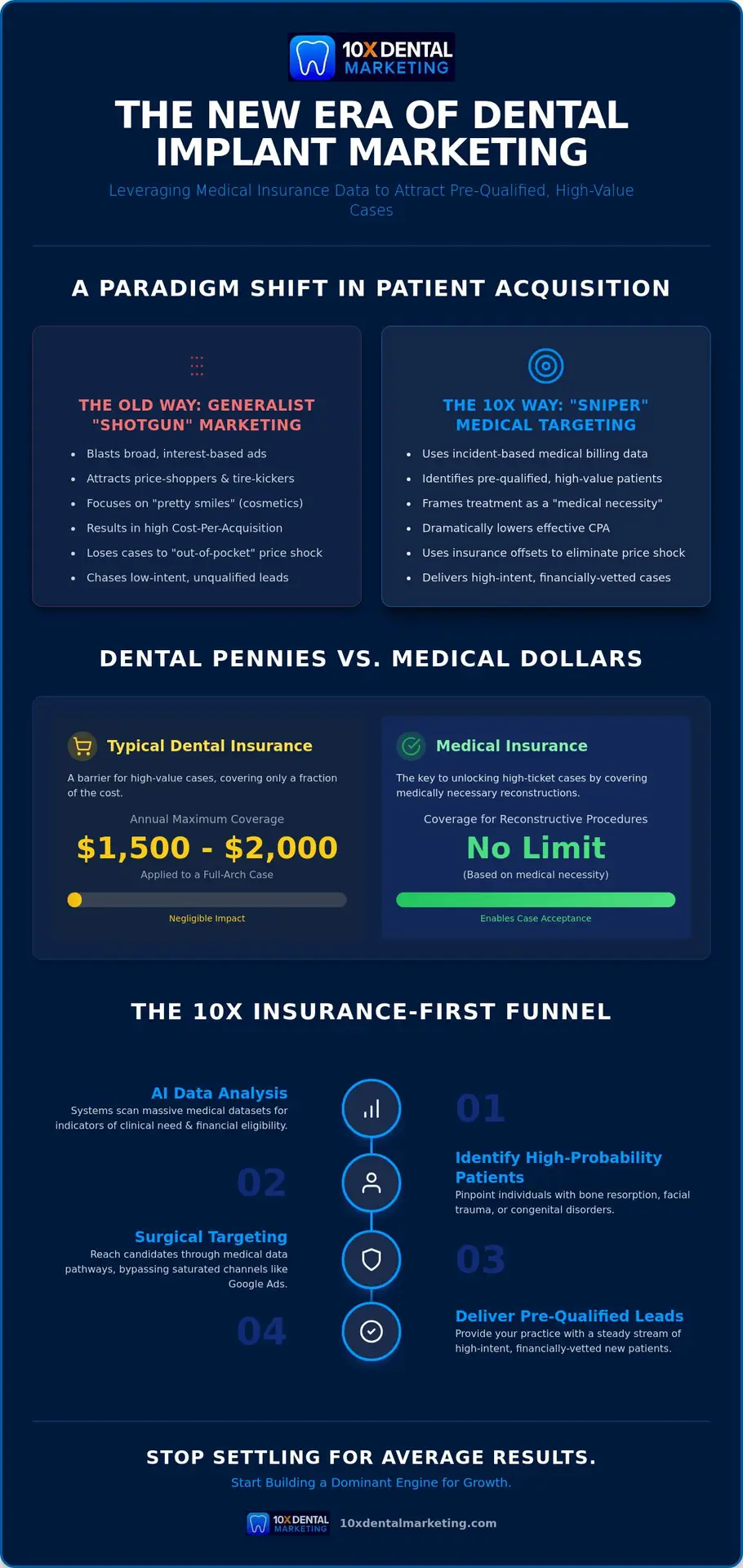
Many dental practices see medical insurance as a minor part of their business or only relevant to basic procedures. However dental implants can often be partially covered by medical plans especially when they are medically necessary due to trauma disease or congenital conditions.
1. Lack of Understanding
Many dentists and staff are unsure how medical insurance applies to dental implants. This misunderstanding leads to missed opportunities. Patients who could have insurance coverage are often told implants are entirely out of pocket, discouraging them from moving forward.
2. Miscommunication With Patients
Even when insurance can help cover part of the cost, practices often fail to communicate this clearly. Patients hear a high price upfront and assume it is unaffordable. Clear messaging and accurate insurance explanations can remove this barrier.
3. Focus on Cosmetic Marketing
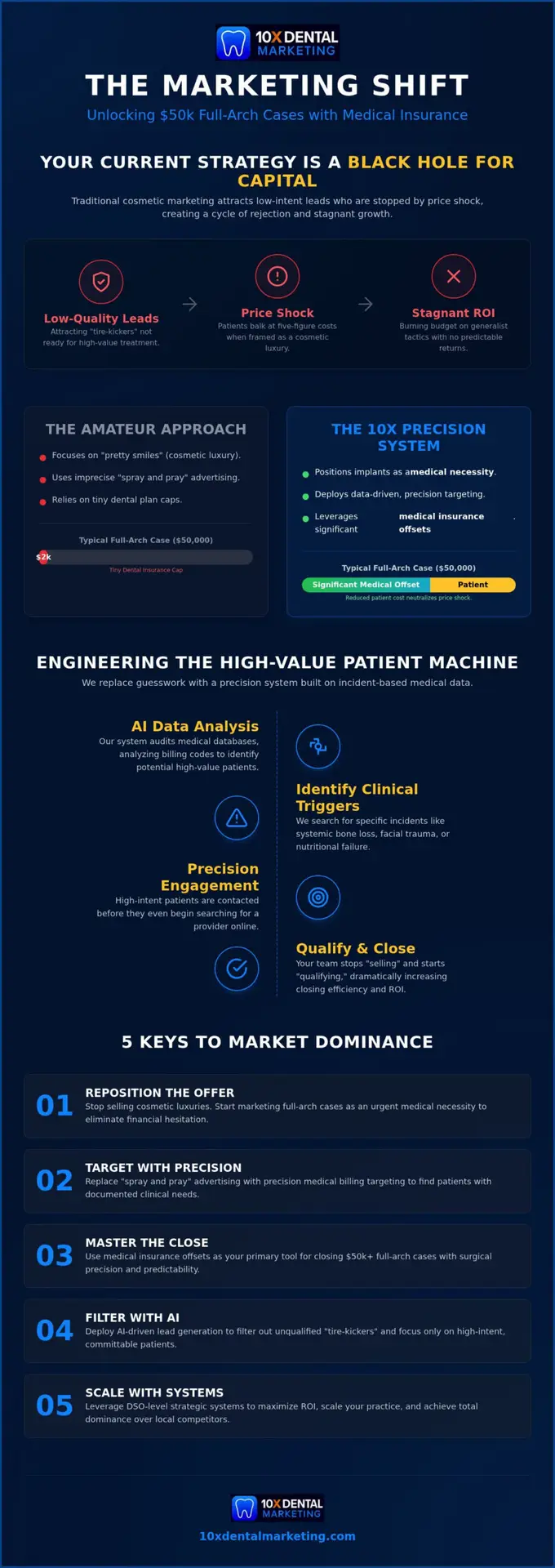
Dental implants are often marketed as a cosmetic procedure. While appearance is important most patients are motivated by function health and long-term dental solutions. Positioning implants as medically necessary when appropriate opens the door to insurance coverage.
4. Limited Staff Training
Insurance coding and approvals can be confusing. Staff who are not trained to handle medical insurance claims may avoid pursuing coverage altogether. Proper training and processes make a significant difference in patient acceptance rates.
How Medical Insurance Can Grow Your Implant Business
When used correctly medical insurance is more than a payment option. It can attract new patients increase case acceptance and build loyalty.
1. Making Implants More Affordable
Even partial coverage can make implants more accessible. Patients who thought implants were out of reach may now see them as possible. This increases the likelihood they will schedule a consultation and ultimately commit to treatment.
2. Targeting Medically Relevant Cases
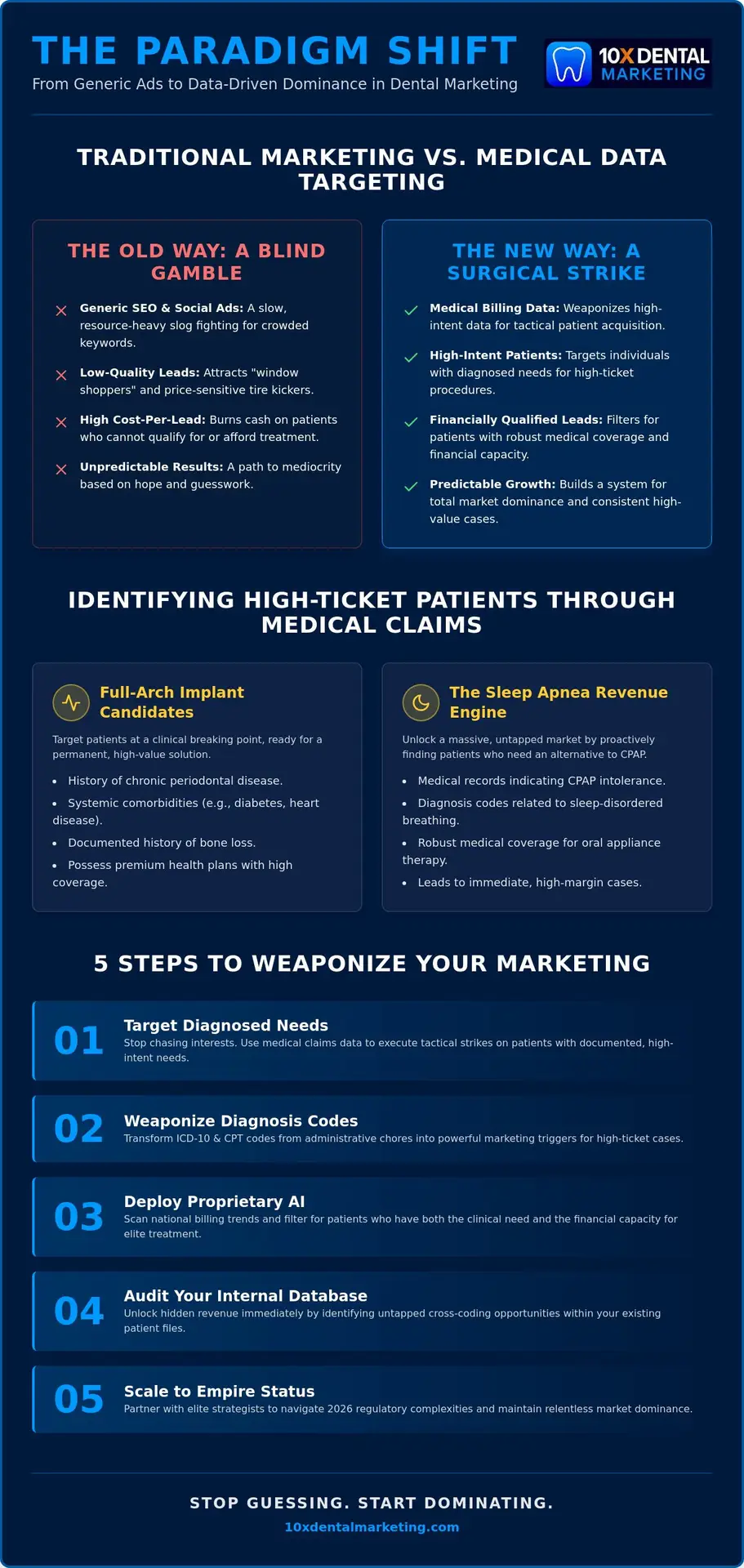
Marketing implants as a solution for trauma tooth loss or disease-related cases allows practices to target patients who are more likely to be covered by medical insurance. This strategy positions your practice as a problem solver and not just a cosmetic provider.
3. Building Trust With Patients
Explaining insurance options builds trust. Patients feel supported when they understand how their benefits can help. Practices that educate and guide patients through the insurance process are more likely to see higher conversion rates.
4. Increasing Patient Lifetime Value
Patients who use insurance for implants are likely to return for other procedures and regular care. When insurance makes expensive treatment possible patients see your practice as reliable and professional, leading to long-term loyalty.
Practical Steps to Leverage Medical Insurance for Dental Implants
Implementing a strategy for medical insurance requires planning and execution. Here are actionable steps:
- Train your staff on medical insurance rules and coverage options for implants.
- Identify patients with medical conditions or trauma that may qualify for coverage.
- Create marketing materials that clearly explain insurance benefits without making false promises.
- Use consultation appointments to educate patients about how insurance can help.
- Streamline the claims process to reduce patient stress and administrative errors.
- Track results to see which insurance strategies increase implant acceptance and revenue.
Common Mistakes Practices Make With Insurance and Implants
Even experienced practices make mistakes when it comes to medical insurance. Avoid these pitfalls to maximize growth:
- Assuming all patients know their coverage and offering no guidance
- Marketing implants purely as cosmetic without highlighting functional or medical benefits
- Failing to follow up with patients who could qualify for insurance
- Not training staff on coding or claims submission which leads to rejected coverage
- Avoiding patient education about financing and insurance simultaneously
FAQs
Can medical insurance really cover dental implants
Yes in many cases implants are partially covered when medically necessary due to trauma disease or congenital issues. Coverage varies by plan and patient situation.
How do I explain insurance to patients without confusion
Use simple language focus on benefits rather than technical codes and provide written summaries. Transparency builds trust.
Does medical insurance increase implant acceptance rates
Yes patients are more likely to commit when they understand how insurance reduces their out-of-pocket costs.
Can small practices leverage insurance like large clinics
Absolutely small practices can succeed by focusing on patient education proper staff training and clear communication.
What is the most common mistake practices make with insurance
The most common mistake is assuming patients know their coverage and failing to educate them on how implants may be partially covered.
How long does it take to see results from insurance-focused marketing
Results vary but practices often see increased consultations and acceptance within a few weeks when education and communication are implemented effectively.
Conclusion
Medical insurance is one of the most misunderstood growth levers in dentistry. When used strategically it can make implants more accessible increase case acceptance build trust and grow patient loyalty. Practices that ignore insurance risk leaving money and patients on the table.
By training staff educating patients and marketing implants as a medically relevant solution practices can leverage insurance to attract more patients and increase revenue. Dental implants do not have to be out of reach for patients and insurance-focused marketing can transform your practice into a trusted provider of life-changing dental solutions.