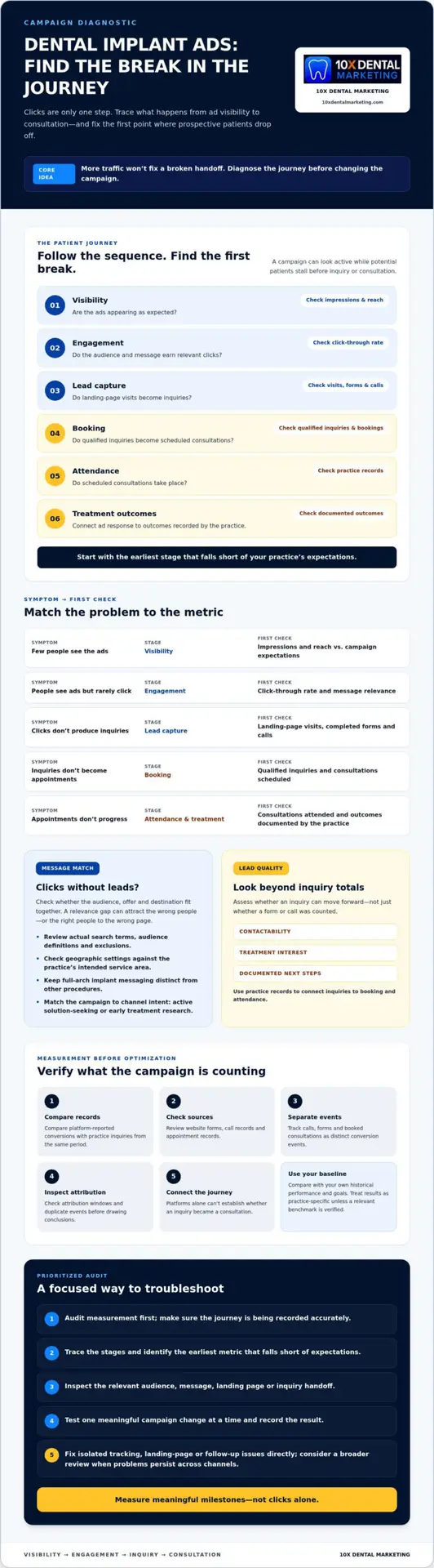
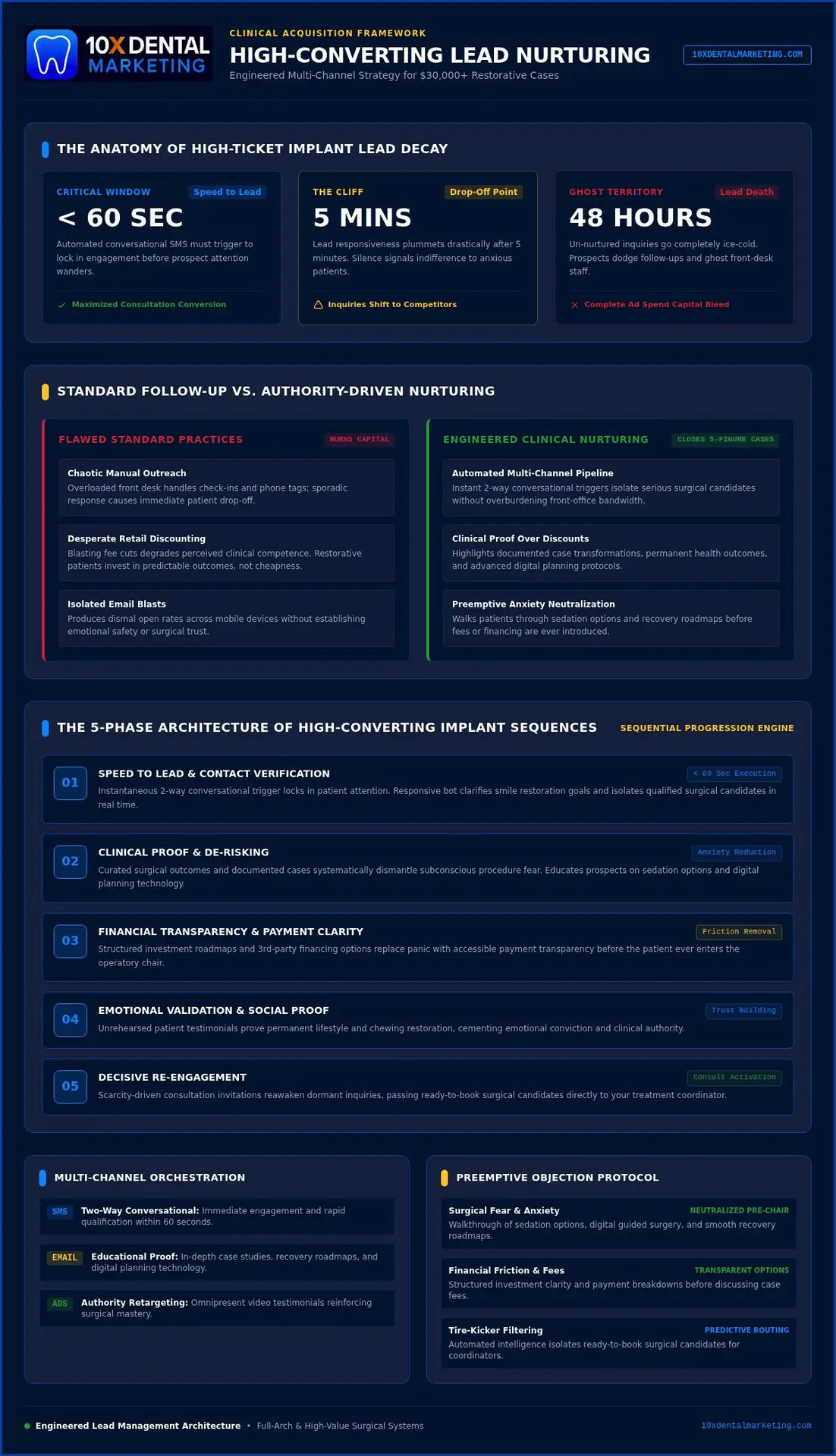
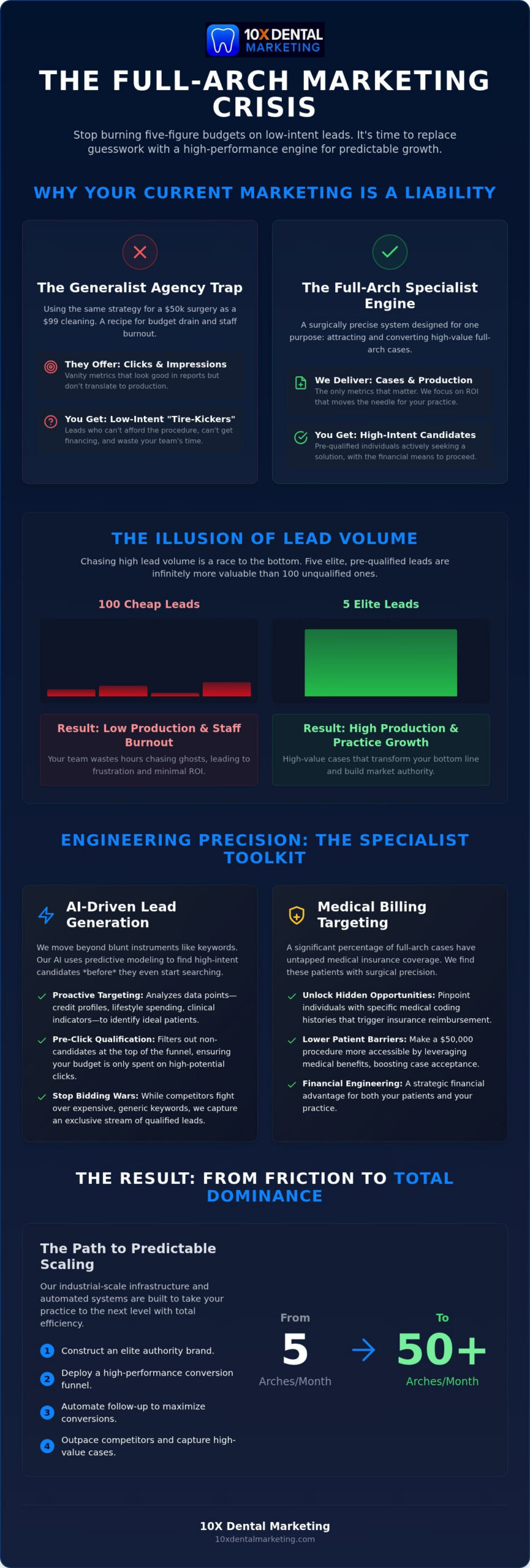
Many dental practices focus on generating as many leads as possible. They run ads post on social media or use email campaigns hoping to attract patients. While getting leads is important, it is not the real solution for sustainable growth. What really matters is better lead qualification. Qualified leads are more likely to convert into actual patients, especially for high-ticket procedures. Focusing on quality over quantity can save money increase conversion rates and grow your practice faster.
Why More Leads Alone Are Not Enough
Not all leads are created equal. Generating a large number of leads without qualification often leads to wasted time and money.
1. High Volume Low Conversion
Many practices get hundreds of inquiries but see very few conversions. This happens when leads are not filtered properly. People may inquire about services without real interest or financial ability. High volume without qualification creates stress for staff and confusion for the practice.
2. Wasting Staff Time
Following up with unqualified leads takes staff away from productive work. The team spends hours answering calls or emails from people who are not ready to schedule treatment. Better qualification reduces wasted time and allows staff to focus on leads that are more likely to convert.
3. Poor Patient Experience
When unqualified leads are pushed through the process it can hurt patient experience. Patients who are not ready feel pressured or overwhelmed. They may leave negative reviews or never return. Qualification ensures that patients who are contacted are ready and informed about the process.
4. High Marketing Costs
Paying for ads or campaigns that attract unqualified leads increases marketing costs. Focusing on qualified leads ensures that every dollar spent brings a better return on investment.
How Lead Qualification Improves Your Practice
Lead qualification is about filtering potential patients to find those who are most likely to book and complete treatment. It can dramatically improve efficiency, revenue, and patient satisfaction.
1. Identifying Ideal Patients
Top practices define who their ideal patients are. They consider factors such as dental needs financial ability location and readiness to commit. This allows marketing and staff to focus only on leads that match the profile.
2. Personalized Communication
Qualified leads receive personalized attention. Staff can address concerns and educate patients in a way that is relevant to their situation. Personalized communication increases trust and makes patients more likely to schedule treatment.
3. Higher Conversion Rates
When leads are qualified, conversion rates naturally increase. Practices spend less time chasing unproductive leads and more time closing cases with patients who are ready and able to proceed.
4. Better ROI
Marketing becomes more efficient when targeted at qualified leads. Every ad post or email campaign brings in leads that are more likely to convert. This improves the return on marketing investment and makes campaigns more cost-effective.
Practical Steps to Improve Lead Qualification
Improving lead qualification requires a combination of strategy tools and staff training.
- Define your ideal patient profile including age dental needs location and financial readiness.
- Use targeted marketing campaigns to attract leads that match the profile.
- Implement intake forms or pre-consultation questionnaires to filter leads before scheduling.
- Train staff to ask qualifying questions during calls or messages.
- Follow up with leads using personalized emails or messages that address their specific needs.
- Track lead behavior such as website engagement social media activity or response time to prioritize high-potential leads.
- Use lead scoring tools to rank prospects and focus efforts on the most promising cases.
Common Mistakes Practices Make in Lead Qualification
Even experienced practices make mistakes when qualifying leads. Avoid these errors to get the most out of your marketing efforts:
- Treating every lead the same without assessing readiness or ability
- Ignoring follow-up for leads that are qualified but need more education
- Focusing only on quantity instead of quality of leads
- Not using intake forms or pre-screening questions
- Assuming marketing alone will solve conversion problems
How Qualified Leads Improve High-Ticket Procedure Success
High-ticket procedures such as dental implants veneers or full-mouth restorations require more effort to sell. Qualified leads are essential for these cases because:
- They are more likely to have the financial ability to pay
- They are better educated about the procedure and its benefits
- Staff can focus on explaining options and outcomes rather than convincing them to commit
- The practice builds trust and a stronger relationship with each patient
By improving lead qualification, practices see higher acceptance rates and better overall results.
FAQs
Why doesn’t more leads automatically grow my practice
More leads without qualification often result in low conversion rates wasted time and higher marketing costs.
What makes a lead qualified
A qualified lead is someone who meets your ideal patient profile is ready to commit and has the ability to pay for treatment.
How can I qualify leads before consultation
You can use intake forms pre-screening questionnaires or initial phone calls to assess readiness and suitability for treatment.
Do qualified leads improve marketing ROI
Yes focusing on qualified leads reduces wasted spending and increases conversion rates giving a better return on investment.
Can small practices implement lead qualification effectively
Absolutely small practices can benefit even more by defining ideal patients and focusing resources on the most promising leads.
How do I train staff to qualify leads
Train staff to ask targeted questions listen for readiness cues and educate patients on procedures while addressing their concerns.
Conclusion
Dental practices do not need more leads they need better lead qualification. Focusing on quality rather than quantity improves conversion rates saves staff time reduces marketing costs and enhances patient experience. By defining ideal patients using intake tools and training staff to identify and nurture qualified leads practices can grow efficiently and sustainably.
Lead qualification is especially critical for high-ticket procedures where patient readiness and financial ability determine success. Practices that implement effective lead qualification see better results, higher patient satisfaction and stronger long-term growth.